Real estate success is rarely accidental. While many people focus on speed — buying quickly, selling quickly, developing quickly — the most sustainable value in property comes from understanding one critical factor: growth patterns.
At Zubiconedge, we believe smart property decisions are driven by market awareness, location intelligence, and disciplined timing — not impulse. Our model of acquiring semi-finished properties and professionally completing them is rooted in one central principle: identify where growth is headed, not just where it currently exists.
Let’s explore what growth patterns really mean and why they matter more than ever in today’s real estate environment.
What Are Growth Patterns in Real Estate?
Growth patterns refer to the way development, infrastructure, demand, and property value expand over time within a city or region.
They are not random. They are influenced by:
-
Infrastructure projects (roads, bridges, transit systems)
-
Commercial expansion (shopping centres, office complexes)
-
Government policies and zoning changes
-
Population movement
-
Economic investment corridors
-
Educational and healthcare development hubs
Understanding these factors allows investors and developers to anticipate demand before it peaks.
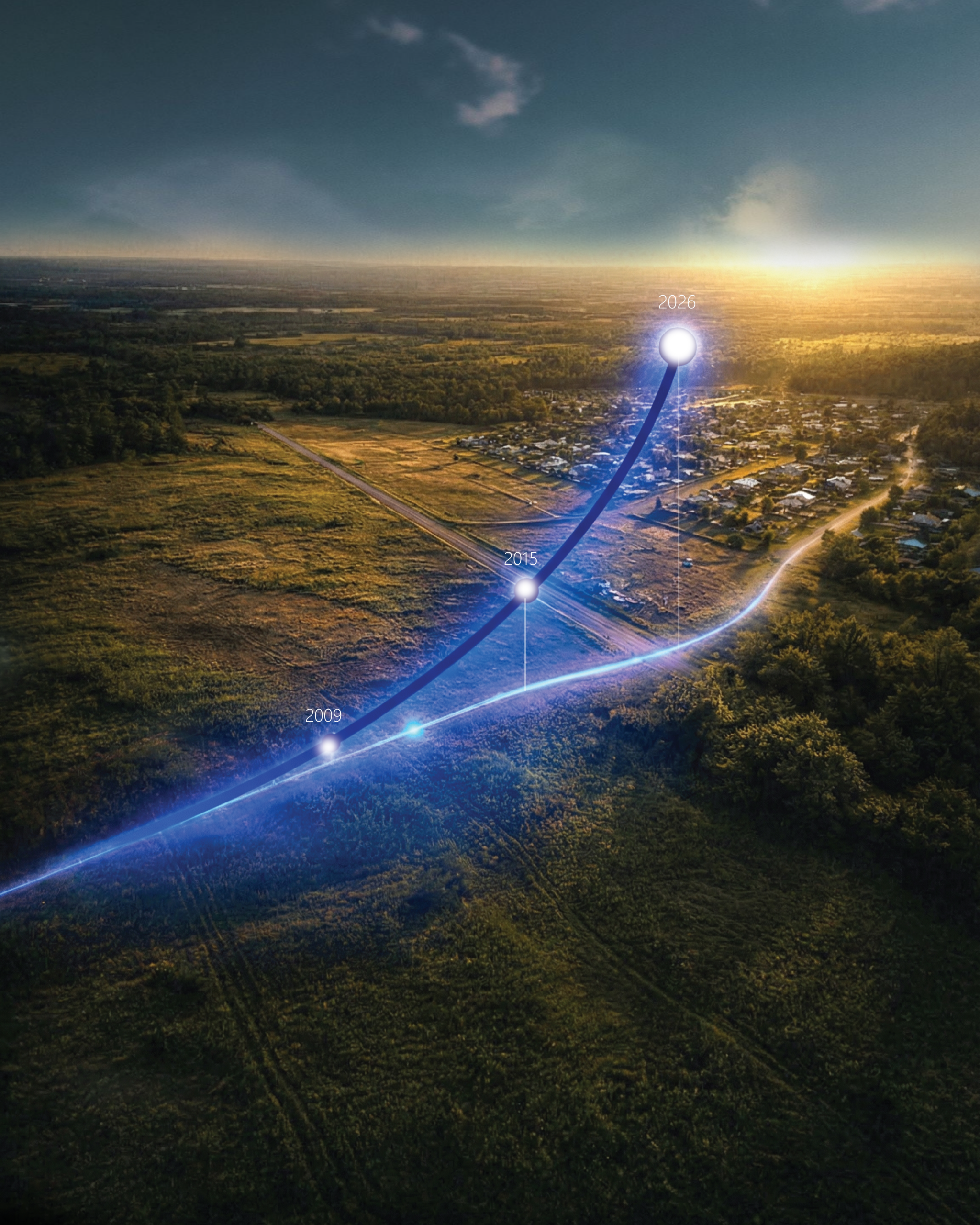
Real estate does not grow evenly. It grows directionally.
The Difference Between Current Value and Emerging Value
One of the biggest mistakes buyers make is purchasing based only on current popularity. Established high-demand neighborhoods are often already priced at a premium.
Smart real estate strategy asks a different question:
Where will demand be in the next 3–7 years?
Emerging areas often show early indicators such as:
-
Road expansions underway
-
Nearby commercial construction
-
Increased building permits
-
Gradual residential development
-
Utility upgrades
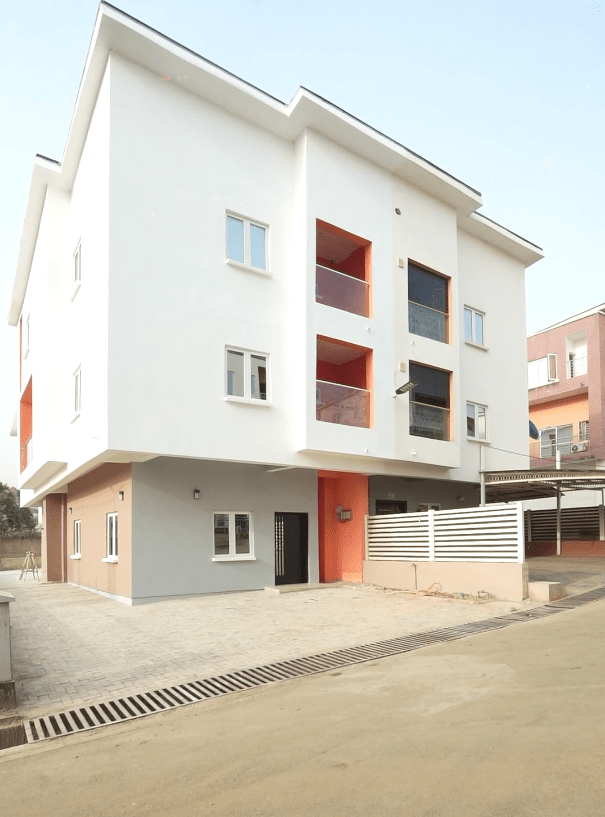
Semi-finished homes are frequently located in these transitional zones — areas where early development started but paused due to market timing or funding shifts.
This is where strategic repositioning becomes powerful.
Why Growth Patterns Matter More Than Speed
Buying quickly without understanding trajectory can lead to:
-
Overpaying in saturated areas
-
Investing in stagnant locations
-
Limited long-term appreciation
Growth-oriented buying focuses on:
-
Direction of expansion
-
Infrastructure alignment
-
Demand sustainability
-
Neighbourhood evolution
At Zubiconedge, before completing any semi-finished property, we assess its growth environment:
-
Is infrastructure improving?
-
Is access becoming easier?
-
Is commercial activity increasing?
-
Is residential density rising?
Completion only makes sense when growth signals are clear.
Infrastructure: The Silent Driver of Property Appreciation
Infrastructure is often the strongest indicator of future value.
When governments or private investors commit to:
-
Road networks
-
Transport links
-
Drainage systems
-
Power supply upgrades
-
Water systems
Property values in surrounding areas typically follow.
Semi-finished homes located near improving infrastructure are often overlooked during early phases. However, once infrastructure becomes fully operational, demand increases rapidly.
Strategically completing properties during this transitional window allows positioning ahead of peak market pricing.
Market Cycles and Timing
Real estate markets move in cycles:
-
Early Development Phase
-
Acceleration Phase
-
Peak Demand Phase
-
Stabilisation
Buying during the acceleration phase often yields stronger returns than buying at peak demand.
Zubiconedge’s model aligns naturally with mid-cycle opportunities:
-
Projects started early but paused
-
Structures already erected
-
Areas on the edge of acceleration
By completing these homes at the right moment, we enter the market when demand is strengthening — not declining.
Why Semi-Finished Homes Fit Growth-Based Strategy
Semi-finished homes offer unique advantages in growth-focused investing:
-
Structural foundation already completed
-
Lower acquisition cost compared to finished builds
-
Faster completion timeline
-
Reduced exposure to early-stage construction risk
Because they already exist within developing neighbourhoods, they allow quicker alignment with market momentum.
Rather than speculating on undeveloped land, the asset already has physical presence. The strategy becomes refinement and positioning — not full-cycle development from scratch.
The Psychology of Buyers in Growth Markets
Buyers today are increasingly informed. They look for:
-
Location credibility
-
Future appreciation potential
-
Accessibility
-
Structural quality
They are willing to move into emerging neighbourhoods if they see signs of stability and infrastructure support.
A professionally finished home in a rising area offers:
-
Confidence
-
Usability
-
Value alignment
-
Personalization flexibility
This is why Zubiconedge focuses on completion quality rather than superficial upgrades or furnishing.
Risk Management Through Growth Awareness
Understanding growth patterns is also about reducing risk.
Poorly researched investments may suffer from:
-
Over-supply
-
Poor accessibility
-
Stagnant infrastructure
-
Weak demand absorption
Growth analysis reduces exposure to these risks by focusing on:
-
Data-backed development corridors
-
Infrastructure commitments
-
Commercial activity
-
Demographic shifts
Real estate should not be speculative gambling — it should be calculated positioning.
Long-Term Appreciation vs Short-Term Hype
Trendy neighbourhoods can attract short-term hype. But hype is not the same as sustainable growth.
Sustainable growth shows:
-
Consistent infrastructure investment
-
Long-term commercial presence
-
Gradual population increase
-
Stable occupancy rates
Zubiconedge’s approach prioritizes long-term appreciation signals rather than short-term excitement.
We believe in structured growth, not reactive buying.
Why This Matters for Buyers and Investors
For buyers:
You gain access to homes positioned within growing environments without paying peak pricing.
For investors:
You benefit from entering markets before full saturation, improving appreciation potential.
For homeowners selling semi-finished properties:
You unlock value that might otherwise remain dormant.
The Smarter Way Forward
Real estate is not about chasing what is already popular. It is about recognising movement early, understanding where cities are expanding, and aligning property decisions with that direction.
Understanding growth patterns allows:
-
Better timing
-
Stronger positioning
-
Reduced risk
-
Sustainable value
At Zubiconedge, we don’t simply complete homes — we complete them where growth makes sense.
Because in real estate, speed may create transactions.
But understanding growth creates long-term value.