In real estate, speed is often mistaken for intelligence.
There is pressure to buy quickly.
Pressure to build quickly.
Pressure to sell quickly.
But in reality, rushed decisions are one of the biggest sources of risk in property investment. The most successful real estate strategies are not built on speed; they are built on timing. At Zubiconedge, risk management begins with understanding when to act, not just how fast to move.
Understanding Risk in Real Estate
Real estate risk appears in many forms:
Market downturns
Overpriced acquisitions
Construction cost overruns
Oversupply in certain areas
Infrastructure delays
Weak buyer demand
Long holding periods
Unlike short-term financial assets, real estate involves significant capital, longer timelines, and lower liquidity. Mistimed decisions can tie up funds for years.
Risk management is not about avoiding opportunity — it is about entering at the right moment.
The Danger of Speed-Driven Decisions
When speed becomes the priority, common mistakes follow:
1. Buying in Overheated Markets
Entering at peak pricing reduces upside potential and increases vulnerability during corrections.
2. Rushing Construction Without Market Signals
Completing properties before demand is strong can lead to extended vacancies or slow sales.
3. Ignoring Infrastructure Timelines
Assuming growth before infrastructure is operational can stall appreciation.
Speed creates activity.
Timing creates results.
Why Timing Is a Competitive Advantage
Timing in real estate means aligning your move with:
Infrastructure development
Market cycles
Demand acceleration
Price stabilization
Neighborhood momentum
It requires patience, research, and discipline.
Instead of asking, “How fast can we close this deal?”
The smarter question is, “Is this the right phase of the cycle?”
Market Cycles and Strategic Entry
Real estate markets move through predictable stages:
Early Development
Expansion
Peak
Stabilization
Correction
Buying at peak demand increases risk.
Buying during early expansion increases potential.
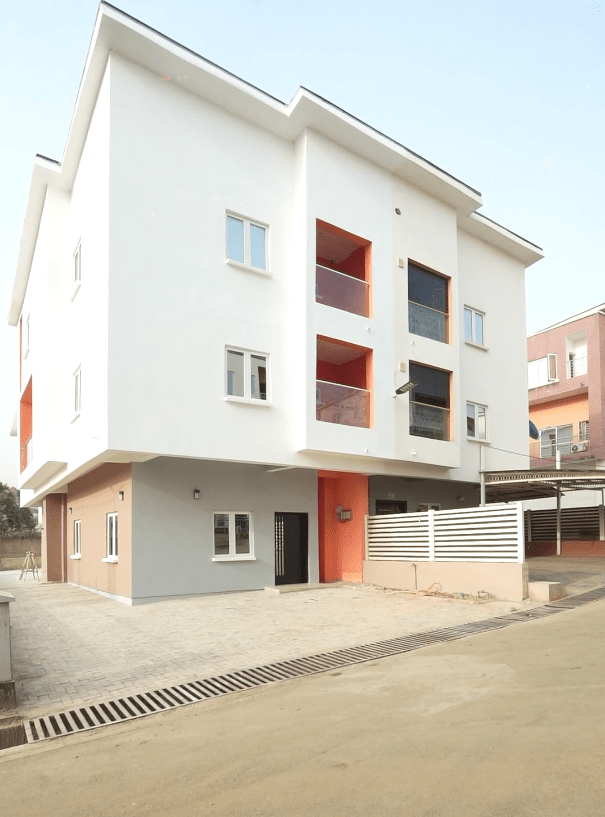
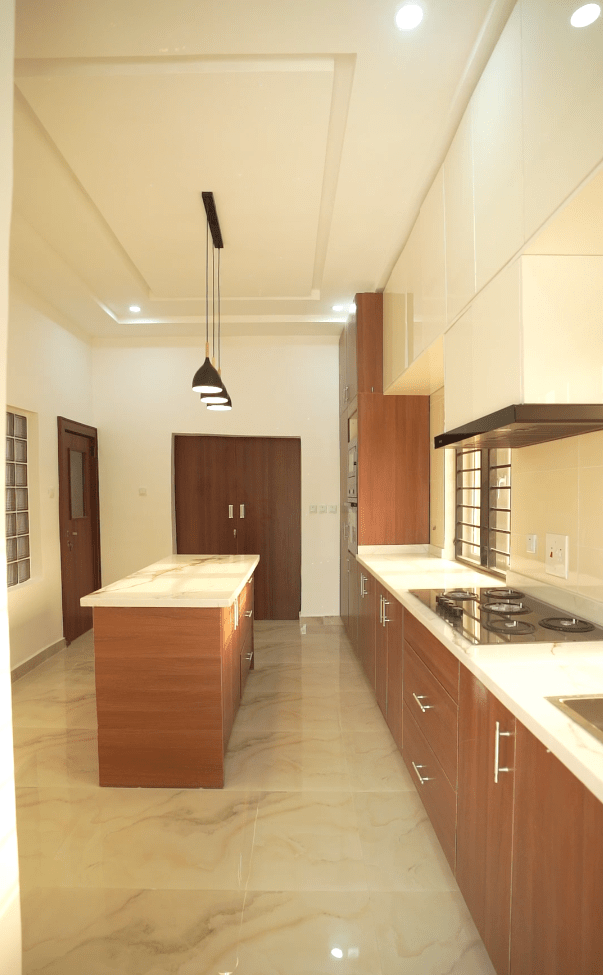
Zubiconedge’s model of acquiring semi-finished properties often aligns with transitional phases — where early development has occurred but full demand acceleration is still building.
This positioning reduces entry cost and improves appreciation potential.
Infrastructure Timing: The Hidden Risk Factor
Infrastructure is one of the strongest drivers of property value.
However, there is a difference between:
Announced infrastructure
Funded infrastructure
Completed infrastructure
Buying solely based on announcements introduces speculation risk.
Risk-aware timing means monitoring actual progress:
Road expansion completion
Utility installations
Commercial openings
Transit system functionality
Timing purchases and completions around tangible infrastructure progress reduces uncertainty.
Construction Risk and Strategic Completion
Ground-up development carries significant early-stage risk:
Foundation uncertainties
Permit delays
Material price volatility
Extended build timelines
By entering projects at the semi-finished stage, Zubiconedge reduces exposure to early structural risks.
This is a timing decision.
Instead of assuming full-cycle construction risk, strategic completion focuses on finishing, standardization, and market readiness ; shortening the risk window.
Liquidity and Capital Exposure
Time in the market affects capital flexibility.
The longer a project remains incomplete or unsold:
The greater the carrying costs
The higher the financing exposure
The more vulnerable the project becomes to market shifts
Timing improves liquidity management by:
Reducing holding periods
Aligning completion with active demand
Avoiding long idle inventory
In risk management, time is capital.
Emotional Buying vs Analytical Positioning
One of the greatest hidden risks in real estate is emotion.
Investors often:
Chase trendy neighborhoods
React to hype
Follow crowd momentum
Rush into “hot” areas
But by the time hype is visible, pricing has usually adjusted.
Analytical positioning requires asking:
Is demand sustainable?
Is infrastructure operational?
Is supply increasing too rapidly?
Are price increases supported by fundamentals?
Timing means entering before saturation — not during excitement.
Why Patience Outperforms Aggression
Aggressive speed may create short-term wins.
Disciplined timing builds long-term stability.
Risk management is about:
Reducing downside exposure
Protecting capital
Ensuring steady appreciation
Maintaining pricing flexibility
Patience allows better negotiation, better acquisition pricing, and better positioning.
Zubiconedge’s strategy reflects this philosophy: calculated acquisition, professional completion, strategic market entry.
Buyer Confidence and Market Timing
Timing also affects buyer psychology.
When a property enters the market during:
Strong absorption cycles
Low competing inventory
Rising infrastructure momentum
Buyer confidence increases.
Faster transactions are not caused by speed alone — they are caused by alignment with demand.
The Cost of Mistimed Speed
When speed overrides timing, consequences may include:
Discounted resale
Extended vacancy
Capital stagnation
Pricing reductions
Loss of negotiation power
Real estate rewards foresight — not haste.
Zubiconedge’s Risk-Aware Approach
At Zubiconedge, timing guides decisions in three key areas:
1. Acquisition Timing
We assess growth signals before purchasing semi-finished properties.
2. Completion Timing
We align finishing timelines with demand cycles.
3. Market Entry Timing
We position properties when market conditions support absorption.
This structured approach reduces exposure while maintaining competitiveness.
Final Thoughts: Strategy Over Speed
In real estate, movement alone is not progress.
Risk management is about:
Knowing when to wait
Knowing when to act
Understanding cycles
Interpreting growth signals
Protecting capital
Speed may close deals.
Timing builds value.
And in an industry where capital, patience, and positioning determine success, timing will always outperform haste.