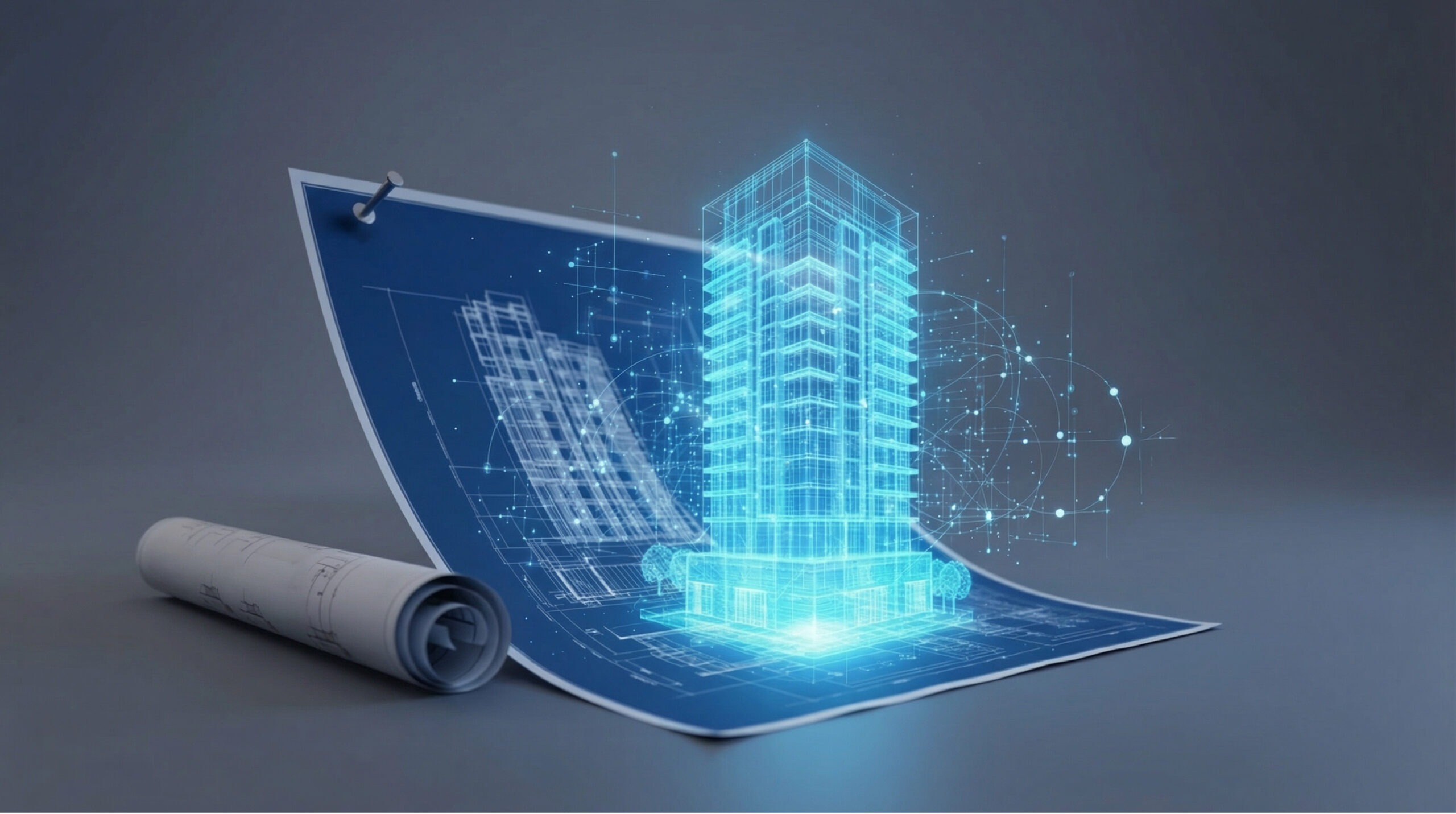
The real estate industry is entering a new era.
For decades, traditional development followed a rigid formula: acquire land, build from the ground up, furnish, market, and sell. While this approach built cities, it is no longer the only viable or efficient path forward.
Rising construction costs, shifting buyer expectations, economic volatility, and urban expansion patterns are pushing the industry toward something smarter — adaptive development models.
At Zubiconedge, this is not a trend we observe from the outside. It is the framework we operate within.
What Is Adaptive Development?
Adaptive development is a strategic approach that focuses on:
-
Repositioning existing assets
-
Completing stalled projects
-
Refining underutilized structures
-
Responding to market timing
-
Reducing unnecessary construction phases
Rather than always starting from scratch, adaptive development asks:
What already exists — and how can it be optimized?
This model prioritizes efficiency, precision, and market alignment over scale and speed.
Why Traditional Development Is Under Pressure
Modern real estate markets face increasing challenges:
1. Rising Construction Costs
Material price fluctuations, supply chain disruptions, and labor costs have significantly increased the financial exposure of full-cycle development.
2. Longer Project Timelines
Ground-up construction can take years from land acquisition to final sale — increasing risk exposure.
3. Market Volatility
Economic shifts can alter demand mid-project, leaving developers vulnerable.
4. Capital Lock-In
Large capital commitments over extended timelines reduce liquidity and flexibility.
These pressures are forcing developers to rethink traditional models.
The Shift Toward Strategic Completion
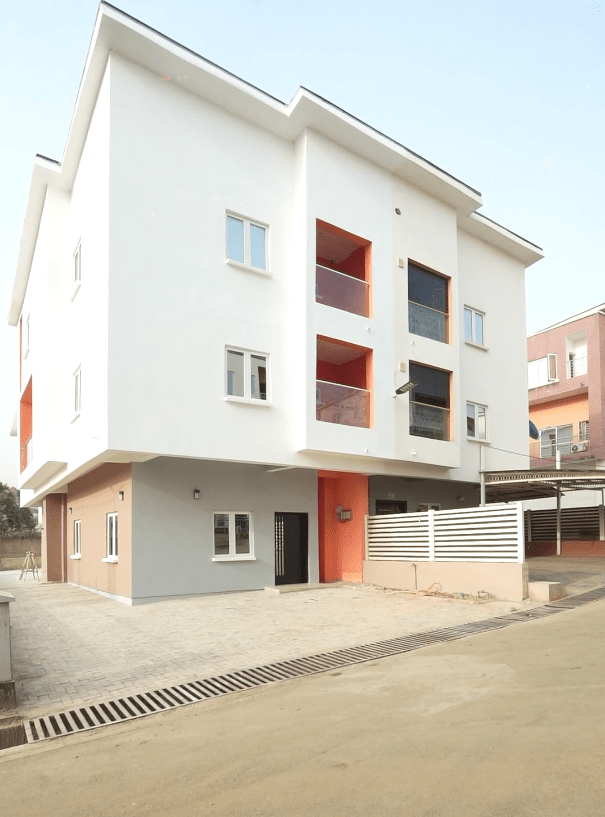
One of the most effective adaptive models is strategic completion — the approach Zubiconedge employs.
Instead of initiating development from zero, we:
-
Acquire semi-finished homes
-
Evaluate structural integrity
-
Complete essential systems
-
Standardize professional finishing
-
Prepare properties for immediate ownership
This reduces development risk while maintaining quality control.
It is not about cutting corners. It is about cutting inefficiencies.
Sustainability Through Optimization
Adaptive development is also aligned with sustainability.
When semi-finished structures sit idle, they represent:
-
Wasted materials
-
Locked capital
-
Underutilized land
-
Delayed housing supply
Completing these properties:
-
Reduces new material consumption
-
Limits unnecessary land expansion
-
Speeds up housing availability
-
Minimizes environmental impact
In a world increasingly focused on responsible development, adaptive models offer a practical solution.
The Financial Intelligence Behind Adaptive Models
Adaptive development improves financial discipline in several ways:
Lower Entry Costs
Semi-finished properties typically cost less than fully developed homes.
Shorter Completion Cycles
Finishing takes significantly less time than full construction.
Reduced Exposure to Early-Stage Risks
Foundations and structural frameworks are already established.
Stronger Market Responsiveness
Properties can be completed based on current demand trends rather than outdated projections made years earlier.
This allows developers like Zubiconedge to remain agile.
Meeting Modern Buyer Expectations
Today’s buyers are more informed and selective.
They want:
-
Structurally complete homes
-
Transparent pricing
-
Functional spaces
-
Freedom to personalize
They are less interested in paying premiums for:
-
Overdesigned interiors
-
Temporary furnishing packages
-
Decorative add-ons
By focusing on completion rather than furnishing, adaptive development aligns perfectly with these expectations.
Buyers receive:
-
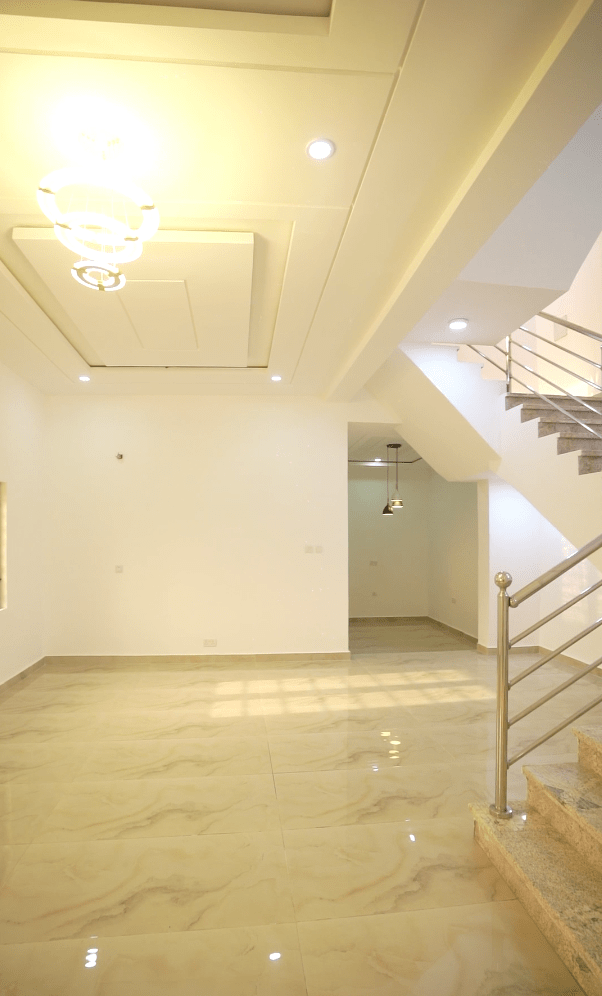
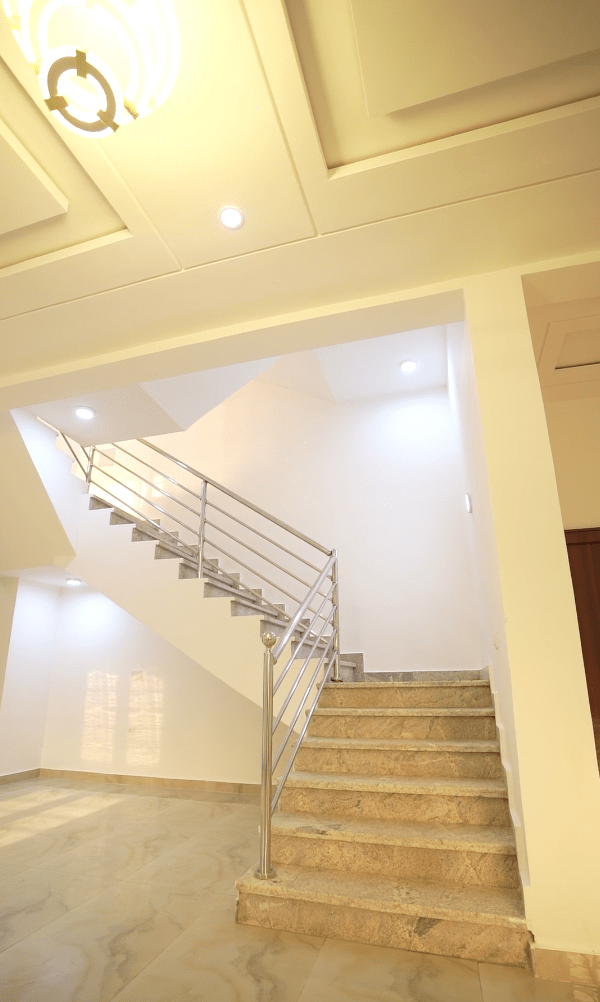
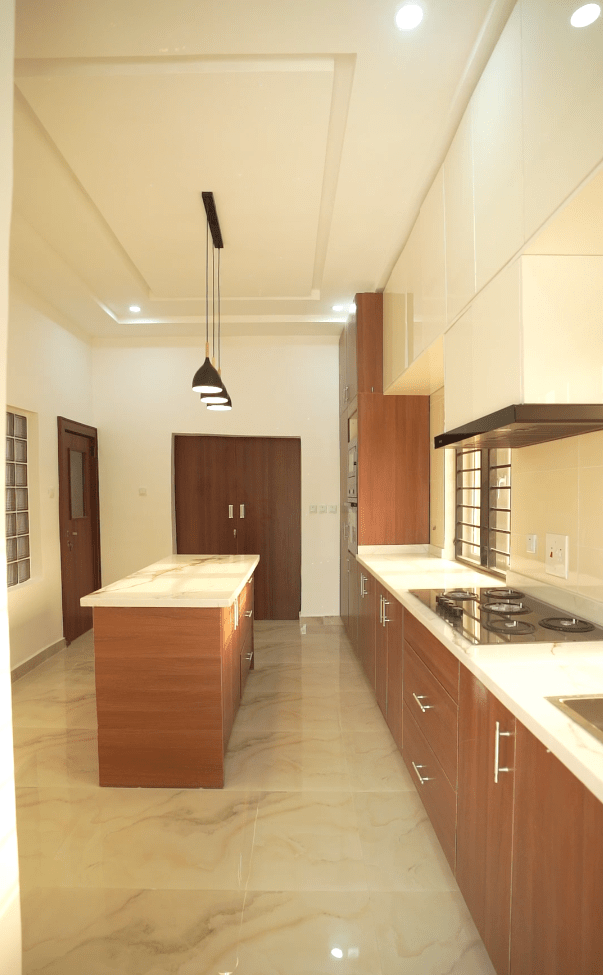
A finished, move-in-ready structure
-
The flexibility to design their interior
-
Competitive pricing without inflated extras
Urban Growth and Adaptive Strategy
Cities rarely grow in perfect symmetry. Development often starts in certain corridors, pauses, and then resumes once infrastructure expands.
Semi-finished properties frequently exist in:
-
Emerging neighborhoods
-
Early-phase developments
-
Transitional growth zones
Adaptive development allows strategic repositioning in these corridors.
Rather than abandoning stalled zones, this model revitalizes them.
It transforms incomplete structures into active contributors to neighborhood growth.
Risk Reduction Through Flexibility
One of the biggest advantages of adaptive development is flexibility.
Traditional development locks capital into long timelines. Adaptive models allow:
-
Faster turnover
-
Better timing adjustments
-
More accurate pricing alignment
-
Reduced long-term exposure
This flexibility becomes especially important in uncertain economic climates.
The Psychological Advantage of Market Timing
When properties are completed closer to the point of sale, pricing reflects current market realities — not projections made years earlier.
This:
-
Reduces pricing mismatches
-
Improves buyer confidence
-
Enhances transaction speed
-
Strengthens overall positioning
Adaptive development reduces the gap between creation and consumption.
The Broader Industry Implication
As urban populations expand and land becomes more constrained, the industry will increasingly favor:
-
Refinement over expansion
-
Efficiency over scale
-
Precision over speculation
-
Market intelligence over momentum
Adaptive development is not a temporary strategy.
It represents a structural evolution in how real estate is approached.
Zubiconedge and the Adaptive Future
Zubiconedge’s model reflects this future:
-
Identify structural opportunity
-
Complete with discipline
-
Avoid unnecessary furnishing costs
-
Deliver quality without inflated pricing
-
Position within growth-aware environments
We do not compete on speed alone.
We compete on strategic completion, intelligent positioning, and disciplined execution.
Final Thoughts: Evolution Over Expansion
The future of real estate belongs to those who adapt.
Not every opportunity requires new land.
Not every project requires full-cycle construction.
Not every home needs furnishing to deliver value.
Sometimes the smartest move is not to build more — but to refine what already exists.
Adaptive development transforms potential into performance.
And that is where the future is heading.