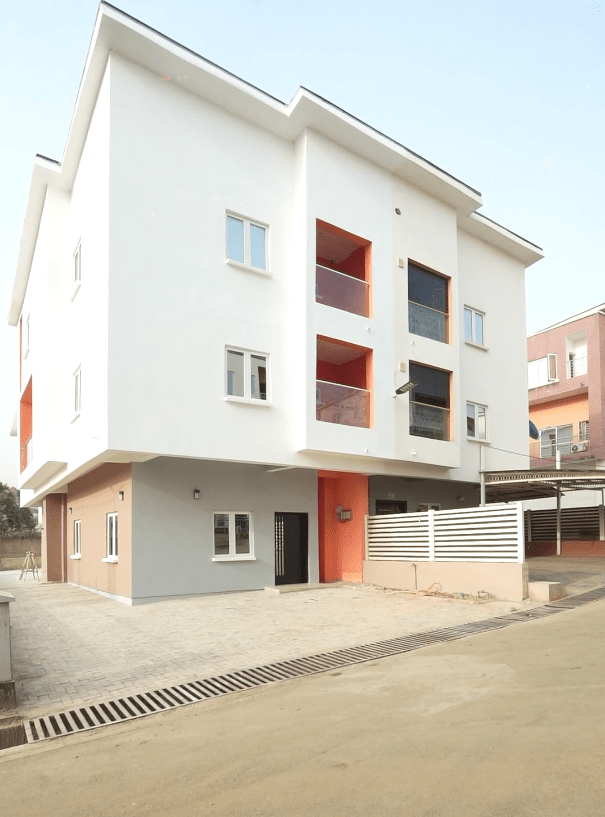
Understanding Emerging Corridors
Asset Repositioning in Emerging Growth Corridors reflects Zubiconedge’s forward-looking approach to real estate development. Rather than concentrating solely on established and fully saturated districts, we focus on areas where measurable expansion is underway. These corridors often show early indicators such as improving infrastructure, expanding road networks, increasing commercial presence, and gradual residential density growth. While they may still be transitioning, their trajectory suggests strengthening long-term potential.
Within these environments, properties frequently lag behind the pace of surrounding development. Partially completed structures, stalled projects, or under-optimized assets may not yet reflect the evolving character of the location. Our role is to recognize this gap and evaluate whether repositioning can align the asset with its emerging context.
Strategic Evaluation and Selection
Repositioning begins with disciplined assessment. Each property is reviewed for structural soundness, infrastructure alignment, accessibility, and neighborhood momentum. Growth corridors are not selected based on speculation, but on observable development patterns and measurable indicators of demand sustainability.
This phase ensures that any intervention is grounded in market logic. A promising location alone is not sufficient; the asset itself must possess the structural viability and positioning potential necessary for refinement.
Structured Refinement and Completion
Once alignment is confirmed, the focus shifts to structured completion and enhancement. The goal is not cosmetic alteration, but professional refinement that prepares the property for credible market entry. Finishing standards, system functionality, and presentation quality are carefully aligned with evolving buyer expectations within that corridor.
Through this process, properties that once appeared transitional become coherent, market-ready residential offerings. The refinement reflects both the asset’s intrinsic value and the surrounding area’s forward movement.
Timing and Market Alignment
Repositioning within growth corridors requires careful timing. Entering too early may result in slow absorption, while entering too late may diminish strategic pricing advantage. Zubiconedge monitors infrastructure progress, buyer activity, and competing supply to ensure completion aligns with active demand rather than projected optimism.
This balance between patience and responsiveness reduces exposure while enhancing long-term positioning.
Long-Term Value Integration
Asset repositioning does more than improve a single property. It contributes to neighborhood stabilization, strengthens buyer confidence, and reinforces the corridor’s emerging identity. As infrastructure matures and residential demand expands, repositioned assets are already prepared to integrate seamlessly into the growth cycle.
Asset Repositioning in Emerging Growth Corridors reflects our broader philosophy: growth should be anticipated with discipline, assets should be optimized with precision, and market entry should be guided by informed timing rather than momentum alone.
A growing demand for adaptable layouts that can accommodate changing needs. This might include modular movable partitions. Sustainability is alsokey trend in commercial interior design
Frequently asked questions
Why focus on emerging growth corridors instead of established areas?
Emerging corridors often present stronger long-term value potential because pricing has not yet fully adjusted to future infrastructure and demand expansion. By repositioning assets early within these locations, properties can align with upward growth cycles rather than compete in already saturated markets.
How do you identify a genuine growth corridor?
We assess measurable indicators such as infrastructure development, accessibility improvements, commercial expansion, residential construction activity, and buyer migration patterns. Growth is evaluated through observable progress and sustained momentum, not speculation.
What does “asset repositioning” involve?
Asset repositioning involves refining and completing structurally viable properties so they meet current market standards. This may include finishing construction, upgrading systems, improving structural functionality, and aligning the property with buyer expectations within its evolving location.
How does timing impact repositioned properties?
Timing ensures that completion aligns with active demand rather than projected trends. Entering too early can slow market absorption, while entering too late may reduce pricing advantage. Strategic timing allows repositioned properties to integrate smoothly into the corridor’s growth phase.